Cat Statue: Elevating Visual Identity with 3D Assets
In the evolving landscape of digital content, a Cat Statue represents more than just a decorative object; it is a versatile visual asset capable of transforming brand narratives and enhancing user engagement. For graphic designers and creative professionals, integrating high-quality 3D models into their workflow offers a unique opportunity to inject depth, realism, and emotional resonance into static layouts. This approach bridges the gap between traditional illustration and modern interactive media, allowing creators to craft compelling stories that resonate deeply with audiences.
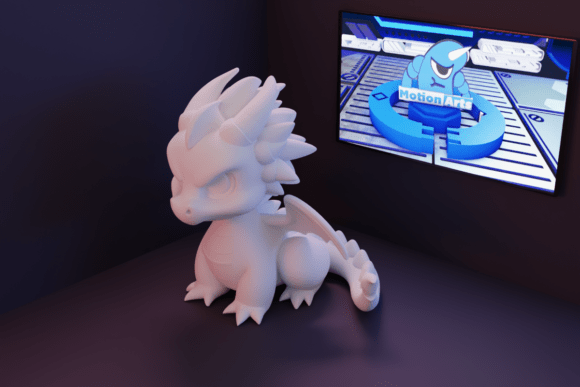
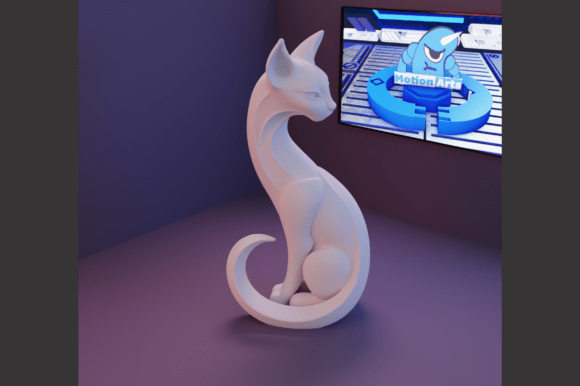
The integration of a meticulously designed Cat Statue – STL File for 3D Printing into creative projects demonstrates a commitment to premium quality and attention to detail. Whether used as a central icon in a logo design or as a featured element in social media graphics, such assets provide a tactile sense of presence that flat imagery often lacks. By leveraging these three-dimensional forms, designers can establish a stronger visual hierarchy and guide the viewer's eye through complex compositions with greater precision.
Strategic Applications in Modern Branding
When considering how to strengthen a brand identity, the choice of visual elements is paramount. A well-executed 3D model serves as a powerful tool in various facets of design, from packaging to digital interfaces. The realistic details inherent in a sculpture like this allow brands to communicate sophistication and care, qualities that are essential for building trust with consumers.
- Logo Design: Incorporate the silhouette or key features of the statue to create a memorable, scalable mark that stands out in crowded marketplaces.
- Packaging Design: Use the model to generate photorealistic mockups that showcase product placement or thematic alignment on physical boxes and labels.
- Social Media Graphics: Create dynamic posts where the 3D element interacts with typography and color palettes to boost click-through rates.
- UI/UX Design: Employ the asset as a loading animation or a playful interaction element to improve user experience and reduce bounce rates.
Enhancing Visual Communication and Typography
The relationship between imagery and typography is critical in achieving a polished professional presentation. When placing text alongside a Cat Statue, designers must consider how light and shadow interact with letterforms. The volume of the 3D model provides natural opportunities for drop shadows and highlights that can make type appear to float or sit firmly within the composition. This interplay reinforces the visual hierarchy, ensuring that the message remains clear while the aesthetic appeal is maximized.
Furthermore, the texture and finish of the print—whether simulated as smooth plastic, matte ceramic, or metallic—are crucial decisions that affect the overall mood. A glossy finish might suggest luxury and modernity, suitable for tech startups, while a matte, textured look could evoke warmth and nostalgia, ideal for lifestyle brands. Selecting the right finish aligns the asset with the specific tone of voice of the campaign.
Technical Considerations for Designers
To fully utilize resources like an optimized STL file, designers must understand the technical constraints and possibilities. An optimized design for stable printing ensures that the final output retains its structural integrity, which translates to cleaner renders and fewer artifacts in digital composites. This reliability is vital when creating assets for large-scale advertising campaigns or high-resolution editorial designs where every pixel counts.
Compatibility with various filaments also opens doors for mixed-media projects. Designers can combine 3D printed prototypes with hand-painted finishes or digital overlays to create hybrid artworks that defy standard categorization. This flexibility supports a diverse range of creative projects, from limited edition merchandise to immersive web experiences.
- Evaluate Scalability: Ensure the model maintains its detail at both small icons and large banners without losing definition.
- Check Color Palette Compatibility: Test how the neutral tones of the raw model interact with your brand colors before finalizing the layout.
- Assess Context: Determine if the realistic style fits the current design trends and audience expectations for the specific platform.
Ultimately, the decision to incorporate a unique 3D asset into a project should be driven by strategic goals rather than mere novelty. A thoughtful application of a Cat Statue enhances the narrative, providing a focal point that anchors the design and invites deeper exploration. By prioritizing quality, consistency, and visual impact, creators can deliver work that not only looks exceptional but effectively communicates the intended message across all channels.
As we move forward in an increasingly visual world, the ability to blend physical aesthetics with digital delivery will define the next generation of design excellence. Embracing these advanced tools allows professionals to push boundaries, creating experiences that are both beautiful and functional, ensuring their work leaves a lasting impression on every viewer.