Earring Stand STL Files - 6 Sizes STL Di: A Practical Guide for 3D Printing Enthusiasts
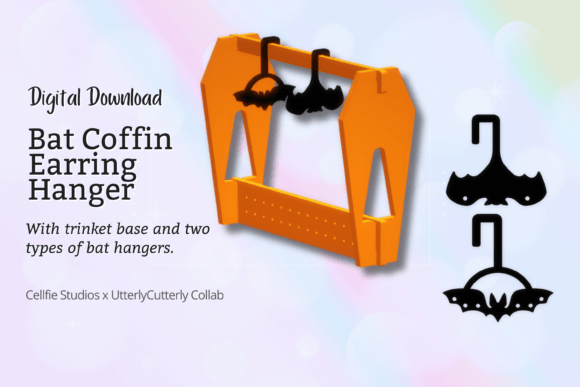
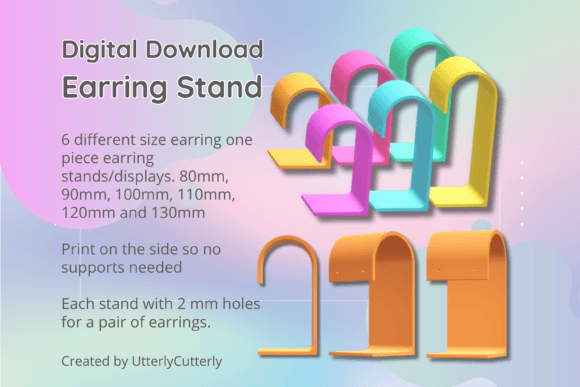
If you're looking to display your earrings in an organized and stylish manner, the Earring Stand STL Files - 6 Sizes STL Di is a digital solution that offers flexibility and customization. This downloadable file allows users to 3D print their own earring stands in six different sizes—80mm, 90mm, 100mm, 110mm, 120mm, and 130mm—each designed with one pair of holes to accommodate various types of earrings. Whether you're a hobbyist, entrepreneur, or creative professional, this resource can be a valuable addition to your workflow.
Understanding the Earring Stand STL Files
The Earring Stand STL Files - 6 Sizes STL Di is a digital design file that enables users to create physical earring stands using a 3D printer. Unlike traditional retail options, this product provides a customizable alternative where users can tailor the size and style to suit their specific needs. The design is optimized for printing on its side, eliminating the need for additional supports, which simplifies the printing process and reduces material waste.
This file is not a physical item; rather, it's a digital download that you can access immediately after completing your purchase. Once downloaded, you can use it with your 3D printer to produce high-quality stands that are suitable for both personal use and commercial purposes. It’s important to note that the file includes a commercial license, allowing you to sell the printed products such as earrings or cutters, provided they are created from this design.
Integration into Your Workflow
For individuals who frequently work with jewelry, the Earring Stand STL Files - 6 Sizes STL Di can be integrated seamlessly into your workflow. Whether you're designing, manufacturing, or selling jewelry, having a reliable method to display your products can enhance your presentation and attract more customers. These stands are particularly useful during events such as craft fairs, pop-up shops, or online marketplaces where visual appeal plays a crucial role in consumer engagement.
Before beginning the printing process, it's essential to review the recommended printing settings. The suggested parameters include a 0.4mm nozzle and a print speed of 40 mm/sec. However, these settings may vary depending on your specific 3D printer model and slicer software. It's advisable to adjust the settings based on your equipment to ensure optimal results.
Preparation and Compatibility
To ensure successful printing, users should verify that their 3D printer is compatible with the STL file format. Most modern 3D printers support this standard format, but it's always wise to double-check your device specifications. Additionally, consider the type of filament you'll be using, as different materials can affect the final outcome of the print. For example, PLA filament is often preferred for its ease of use and minimal warping, making it ideal for beginners.
Organizing your files and maintaining a consistent naming convention can also improve efficiency, especially if you plan to print multiple sizes or variations. Keeping track of each file's purpose and version will help prevent confusion and streamline your workflow.
Practical Implementation Tips
When using the Earring Stand STL Files - 6 Sizes STL Di, it's important to follow best practices for 3D printing to achieve the best results. One key tip is to ensure that the build plate is properly leveled before starting the print. An uneven surface can lead to adhesion issues, resulting in failed prints. Additionally, applying a thin layer of adhesive or using a brim can help improve the first layer adhesion, ensuring a solid base for your print.
Another practical consideration is the orientation of the print. As mentioned earlier, printing the stand on its side eliminates the need for supports, which not only saves time but also reduces the risk of damage during post-processing. Experimenting with different orientations can also help identify the most efficient way to print each size while minimizing material usage.
Quality Control and Long-Term Use
Once the stand is printed, it's essential to inspect it for any imperfections or defects. Minor flaws can be addressed through sanding or polishing, depending on the desired finish. If you're planning to use the stand for commercial purposes, maintaining a consistent quality standard is crucial. Implementing a simple quality check process, such as measuring dimensions or testing structural integrity, can help ensure that each printed piece meets your expectations.
Over time, you may find that certain sizes are more popular than others, depending on your target audience or the types of earrings you're displaying. Keeping track of usage patterns can inform future decisions about which sizes to prioritize or modify. Additionally, storing the printed stands in a dry, dust-free environment will help preserve their appearance and functionality over time.
Conclusion
The Earring Stand STL Files - 6 Sizes STL Di offers a versatile and customizable solution for anyone looking to display their earrings effectively. Whether you're creating them for personal use or as part of a larger business venture, this digital file provides the tools needed to bring your vision to life. By following best practices for preparation, printing, and quality control, you can ensure that each stand meets your standards and enhances your overall presentation. With careful planning and execution, integrating this resource into your workflow can lead to greater efficiency and satisfaction in your creative endeavors.